

 admin
adminTraveling to faraway countries is an incredible way to explore the world as a family. New cultures, breathtaking landscapes, and unforgettable experiences are gifts that last a lifetime. But when you’re traveling with young children, one aspect often becomes a challenge: food.
How do you make sure your little ones get enough to eat, stay healthy, and feel safe—while you still get to enjoy the local cuisine?
This article offers practical tips, useful insights, and common pitfalls when it comes to food and young children on long-distance trips.


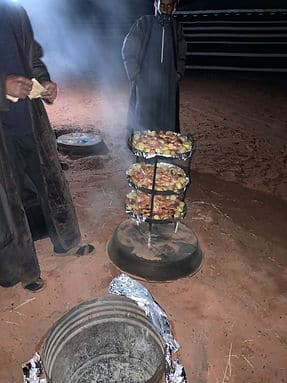
Adjust your expectations: it doesn’t have to be perfect
Before you leave, it helps to adjust your expectations a little. Young kids thrive on routine and familiar flavors. In a totally new environment—with strange smells, different textures, and unfamiliar food—it’s natural for them to be hesitant or picky.
Don’t stress about ideal meals. If your child eats only plain rice or bread for a few days, that’s okay. A limited diet for a short time isn’t a big deal, as long as they’re staying hydrated and energized.
Safety first: what’s okay to eat?
Food safety is key, especially in tropical or less-developed regions. A child with food poisoning or a stomach bug can quickly turn a dream trip into a logistical nightmare.
A few basic rules:
- Water: Only drink bottled water—this includes brushing teeth. Make sure the seal is intact.
- Raw vegetables: Skip them in places where water hygiene is questionable (they may be rinsed in tap water).
- Fruit: Choose fruit you can peel yourself, like bananas, mangos, or oranges.
- Street food: It can be amazing—just choose stalls with high turnover, visible hygiene, and piping-hot food.
- Dairy: Be cautious with unpasteurized milk or soft cheeses, especially for toddlers.
Pack smart: bring familiar food
Packing a small stash of kid-friendly foods can be a lifesaver. Opt for non-perishables your child likes and that are easy to eat on the go:
- Crackers, rice cakes, or granola bars
- Applesauce or fruit puree pouches
- Instant porridge or cereal
- Dried fruit, nuts (for older kids), or breadsticks
That way, you always have a backup for long journeys, delays, or days when nothing else seems to work.
Cooking on location: control what goes in the bowl
Staying somewhere with a small kitchen or at least a kettle can be a game changer. It allows you to make simple meals your child knows—like pasta, oatmeal, or scrambled eggs.
Many destinations have local supermarkets with basics like bread, fruit, rice, and eggs. Booking accommodation via Airbnb or choosing a homestay often means you’ll have access to a kitchen, and sometimes even helpful locals who can give food tips for kids.
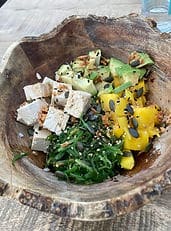


Dining out with young kids: keep it simple
Eating out with little ones can feel stressful, but it doesn’t have to be.
- Choose casual places with some background noise—it’s more forgiving.
- Share meals or ask for smaller portions.
- Let your child taste local dishes, but don’t force it.
- Bring snacks, just in case.
- Remember: in many cultures, kids are welcomed warmly in restaurants and often open doors for great interactions.
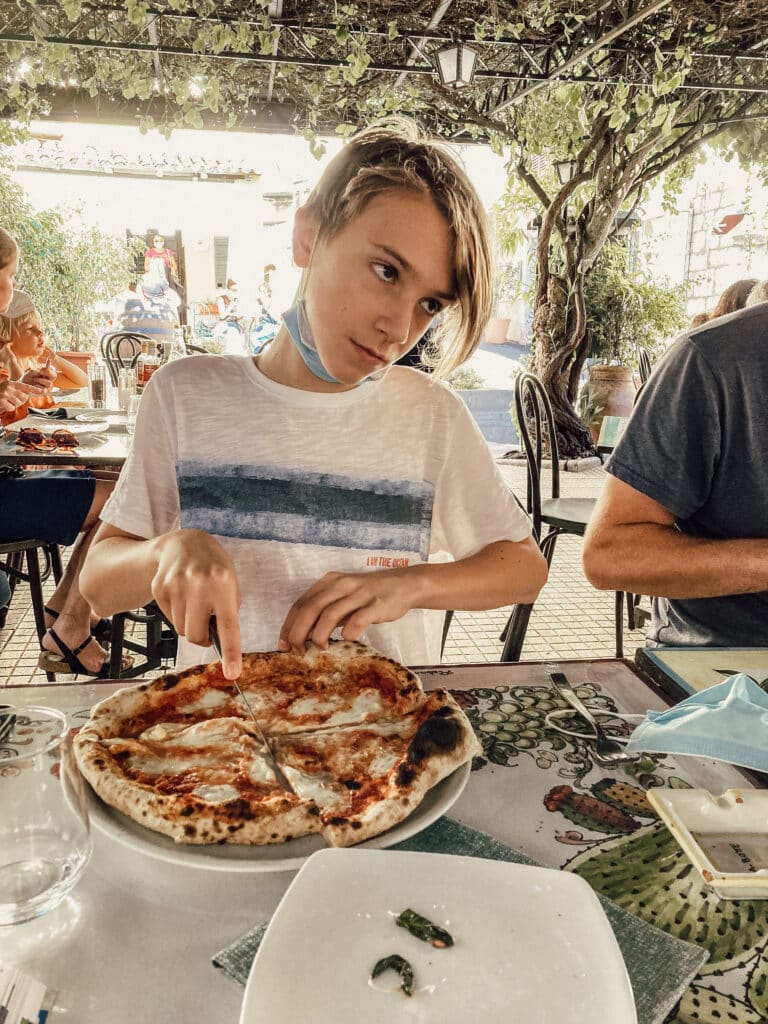
Time zones and mealtimes: follow your child’s rhythm
Jet lag and shifting routines can throw mealtimes off completely. Instead of sticking to rigid schedules, try offering small, frequent snacks and follow your child’s hunger cues.
Make sure to offer plenty of fluids, especially in hot climates. Water, fruit juices, or rehydration drinks can help keep dehydration at bay—even more important if there’s diarrhea involved.
Picky eaters? Stay relaxed about food when you travel
If your child is picky at home, they likely won’t change overnight abroad. Try to approach food with a sense of ease and exploration.
Some tips that often help:
- Let them choose food with you at the market or grocery store
- Make meals fun: smiley faces from fruit or shapes with rice
- Keep portions small and low-pressure
- Encourage curiosity, not perfection
Food as part of the travel adventure
Lastly, food is part of the cultural experience! Kids may get to peel their first mango from a street vendor, watch fish being grilled right on the beach, or eat rice with their hands. These are the little moments that stay with them—even if they don’t finish the plate.
By approaching food as something to explore rather than stress over, you create room for joy and connection. And who knows? They might surprise you with a new favorite dish you’d never have guessed.

Related articles:
- Mallorca Tips: what you need to know when you visit this Spanish island
- Sicily itinerary 7 days: Food, History and Adventure
This blog post contains affiliate links. If you book something through one of these links, it won’t cost you anything extra, but I may earn a small commission. This helps me keep the blog running — thank you for your support!


