
 admin
adminSri Lanka—a country that had been on my list for so long. A country that has faced many hardships in recent years. The tsunami left a significant impact, followed by a civil war, the pandemic, and the country’s bankruptcy, which plunged its people into poverty. Now that Sri Lanka is slowly recovering, tourism is essential to get the economy back on track. But no matter what happens, the Sri Lankans never lose their smile!
Sri Lanka is not a large country—roughly the size of Belgium and the Netherlands combined. This makes it easy to travel across. Despite the slow traffic, 3 weeks is enough time to explore both the country’s major highlights and its hidden gems on a Sri Lanka Itinerary. Need advice on your Sri Lanka trip? Jo is the expert on the country, she will help you out! Want to know how much our round trip costed? Read more about it here.
Also read: What you need to know before traveling to Sri Lanka


How to get to Sri Lanka?
There are no direct flights from Brussels, but many airlines offer flights with a layover. I had accumulated enough Air Miles to book an award ticket through the Star Alliance network—find all the details on flying with Air Miles here! For 60,000 Miles, I got a ticket with Turkish Airlines, which turned out to be a great choice. It had been a while since I last received socks, slippers, a toothbrush, and other amenities on a flight!
Sri Lanka is quite a journey—3.5 hours to Istanbul and another 7 hours to Colombo. Or, in other words, three movies and three meals 😄.
Arriving to Sri Lanka, how to start your journey?
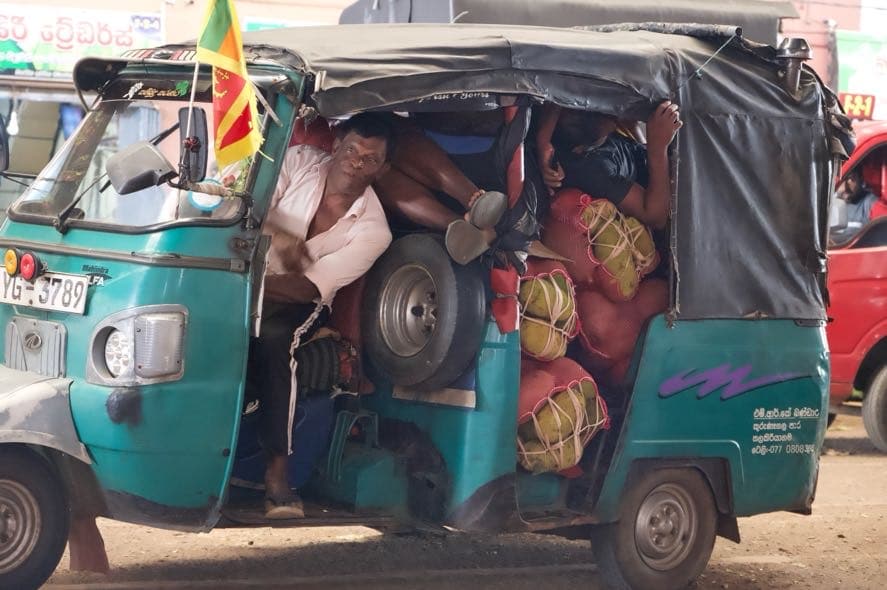
Upon arrival in Colombo, I didn’t feel overwhelmed—something I’ve experienced in the past when landing in other big cities. The airport is well-organized, and you don’t have to wait in long lines at customs. Colombo Airport is quite a distance from the city, while Negombo is located much closer. Many travelers choose to stay in Negombo either upon arrival or before departure, depending on their flight schedule. I stayed at Limeshine Transit Hotel, just a 10-minute taxi ride from the airport. Simply use your Uber app at the airport to book your ride to the hotel—you’ll pay a maximum of €10, depending on the vehicle. Tuk-tuks also operate via Uber and are significantly cheaper; I paid around €1.50 for a ride.
Upon arrival, you can exchange money at the airport (but be mindful of the exchange rate, as it’s not always favorable!) and purchase a SIM card. Personally, I always opt for an eSIM. This way, I keep my own number and avoid the hassle of physical SIM cards. Read here more about eSIMs. Airalo and Holafly are the two biggest providers. I always choose Holafly because they offer unlimited data packages. In recent years, many new providers have entered the market, often offering cheaper options, but these sometimes come with slow 3G connections or coverage limited to major cities. With my Holafly eSIM, I had a stable connection even in the most remote parts of Sri Lanka.
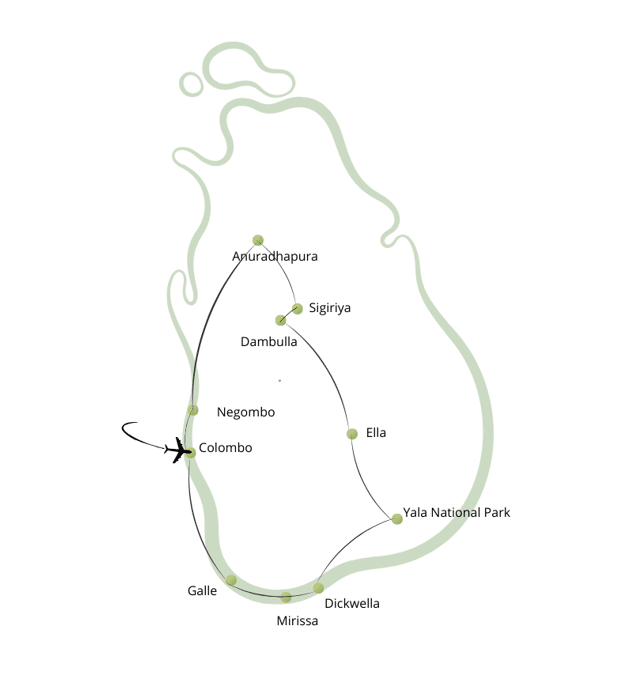
Sri Lanka – 3 weeks itinerary
Negombo
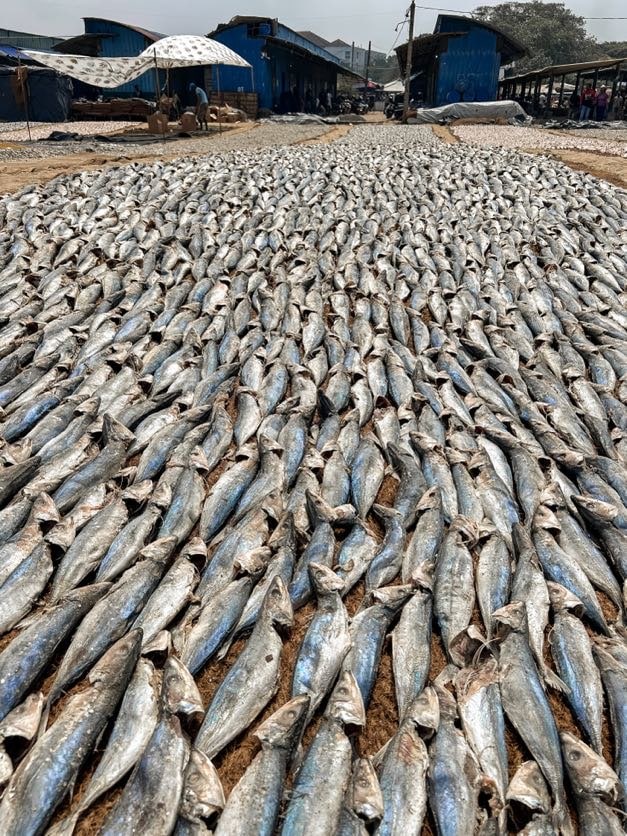
This small coastal town, about an hour’s drive from Colombo, is often the starting point of a round trip through Sri Lanka. There isn’t much to do here, but it’s a great place to rest after a long flight before heading further inland. Be sure to visit the fish market before you continue your journey! This market takes place daily except on Sundays. The sea breeze not only provides some relief from the heat but also helps keep the smell bearable.
The fish market offers a great glimpse into the country’s bustling trade: full of color, friendly people, and a lively atmosphere. Everyone is trying to do business, but never in an overly pushy way.
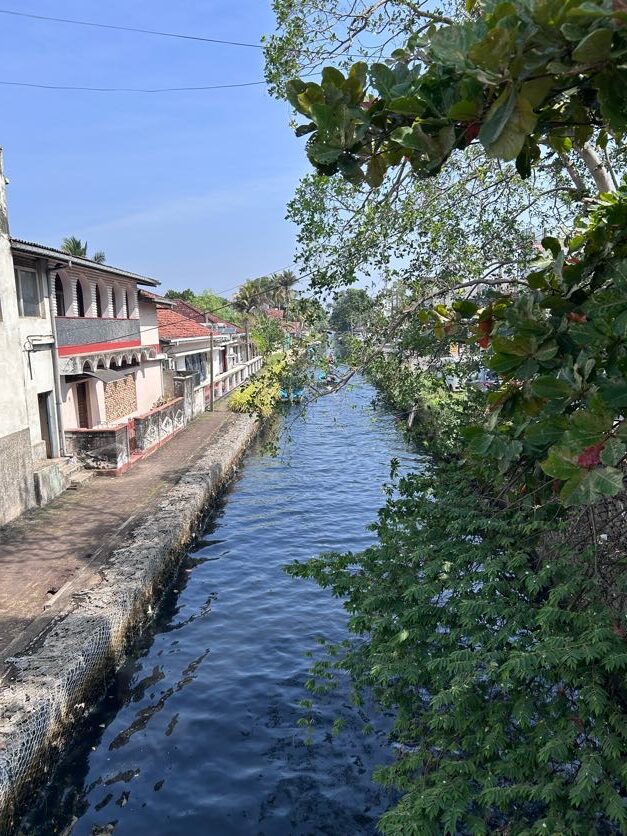
Another attraction in Negombo is the Dutch Canal, where you can take a boat trip. It’s a relaxing experience, though not particularly spectacular.
Hoteltip: Limeshine Transit Hotel

Anuradhapura
The first stop on this 3 weeks travel itinerary is a dive into the history of Sri Lanka. Anuradhapura is the ancient capital of the country and part of what is now known as the ‘Cultural Triangle.’ The city remains the sacred heart of Sinhalese Buddhism.
The city is divided into an old and a new town. The old town consists of ancient ruins and temples and is a UNESCO World Heritage site. Spanning roughly 10 kilometers, it’s far too large to explore on foot. Most hostels and hotels are located in the new part of the city, where you’ll also find temples, but this area of Anuradhapura lacks charm.
What you shouldn’t miss: the old city—it’s a true gem! Also, the monastery city of Mihintale, located 13 km east of Anuradhapura, makes for an easy day trip.
Hotel tip: Kubura resort
Also read: 7 tips for visiting Anuradhapura
near Anuradhapura
Kaludiya Pokuna
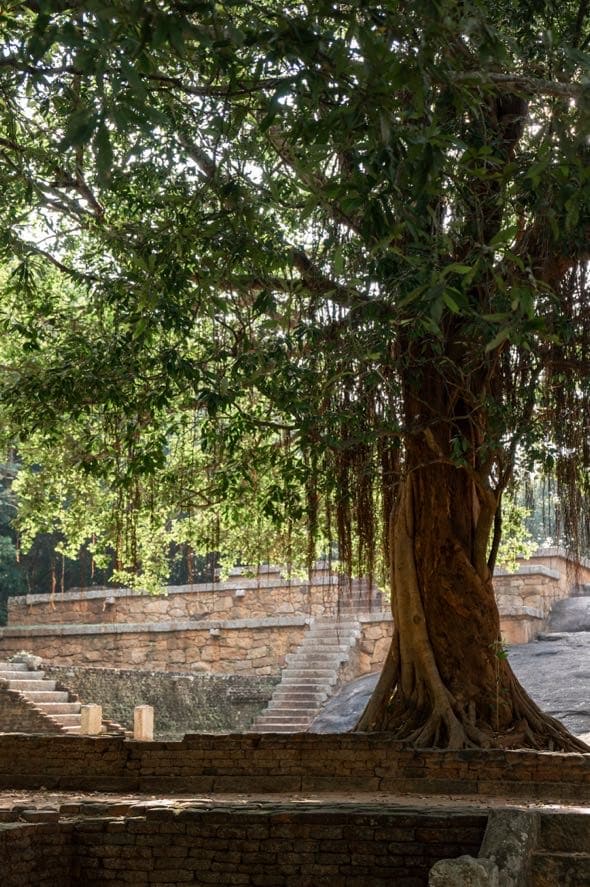
On the way to Mihintale, you’ll come across this stunning spot. The Kaludiya Pokuna temple complex was built over 1,000 years ago for Dhammaruchika monks. At its center lies a beautifully serene water pond. This hidden gem is not well known, making it a wonderfully peaceful place to visit. Be aware of the many monkeys in the area—they love to snatch things from your backpack, so keep an eye on your belongings!


Mihintale
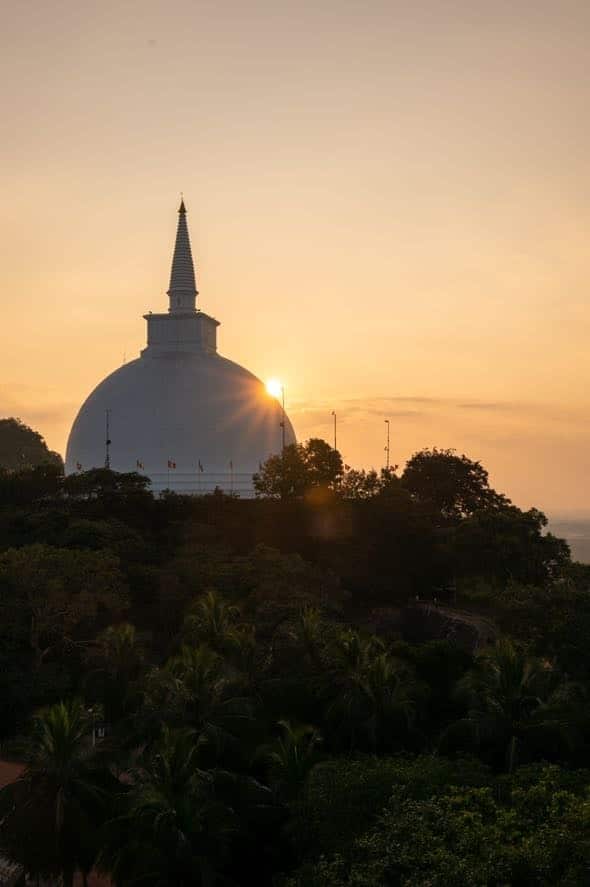
I found the Mihintale temple complex to be perhaps the most beautiful site in the entire region. The best time to visit is at sunrise or sunset—not only to avoid the hottest part of the day but also because the warm sunlight gives this place a truly magical vibe. Mihintale is located 13 km from Anuradhapura, about a 30-minute tuk-tuk ride away.
A disciple of Buddha settled here around 2,000 years ago, and Sri Lanka’s first stupa was built on this site. Over time, it became an important pilgrimage site. Be prepared to climb hundreds of steps to reach the highest stupa! And remember, you’ll be barefoot, so temple socks are a must here as well.
If you take the path to the right from the ticket booth, you’ll reach the highest hill, which is said to be the best spot to watch the sunset. I chose the viewpoint within the complex itself, which was also breathtaking. Take your time to explore this stunning site—it’s well worth it. And watch out for the mischievous monkeys with their grabby little hands!


Tip: The Belgian retired school principal Linda Stabel lives in Mihintale. After her retirement, she moved to Sri Lanka and founded an orphanage. If you’re in the area and would like to visit or offer financial support, you can find more information here.
Sigiriya
Sigiriya is an absolutely magical place. The monolithic rock also called ‘Lion Rock’, home to the ancient citadel of King Kassapa (who, by the way, murdered his father and exiled his brother), rises dramatically above the jungle. After the king’s departure, monks settled here, but over time, the site was abandoned and swallowed by the jungle.
Climbing the rock is not the only highlight—the gardens at its base are also impressive. The hike up is challenging, so we started at sunrise. The cool morning air made the many steps more manageable. If you keep a steady pace, you can reach the top in about 30 minutes.
Unfortunately, it was a bit misty when the sun came up, but even with fog, the ruins on top were breathtaking. Take your time to explore and soak in the views!
There is another climb here that is well worth it: Pidurangala. This hill lies opposite Lion Rock. We climbed it at sunset. The climb is quite challenging, so good hiking shoes are recommended. The last part requires scrambling over rocks. The summit is actually a large flat area. Up here, you barely notice the crowds. The view of Lion Rock and the surrounding landscape is stunning!
At the beginning of the hike, you pass by a monastery. For about 100 meters, you need to cover your knees and shoulders.
hoteltip: Kuwera Eco Lodge
lunchtip: Soul food lunch


Dambulla
From Sigiriya, you can easily take a day trip to Dambulla, or vice versa. Minimizing accommodation changes makes your journey much less exhausting.
Over 2,000 years ago, a king was exiled from Anuradhapura. While in Dambulla, he encountered a hermit who taught him how to live in poverty. When he eventually reclaimed his throne, he transformed the caves into stunning temples as a gesture of gratitude.
As with many sacred sites, reaching the temple requires climbing a fair number of steps. And a word of caution—the stone floors get scorching hot! Be sure to bring your temple socks.


Another great stop here is the partially covered fruit and vegetable market. Farmers bring their surplus harvest, hoping to make a sale. This is the perfect place to soak up the authentic atmosphere of Sri Lanka!


Ella
You reach the mountain village of Ella after a long drive along winding roads. Sitting at 1,100 meters, this once-tranquil spot has turned into a lively backpacker hub. In recent years, hostels have popped up like mushrooms, giving the village an Ubud-like vibe. Charming shops and restaurants line the streets, but the original Sri Lankan atmosphere has mostly disappeared. Still, the surrounding landscape is stunning, and you’ll find plenty of great activities: ride the iconic train over the Nine Arch Bridge, hike Little Adam’s Peak and Ella Rock, taste local teas, visit beautiful monasteries, enjoy a relaxing massage, and more.
Also read: Ella – 7 fun activities
Hotel tip: Majentra
Lunch tip: Chill café and Rainbow café

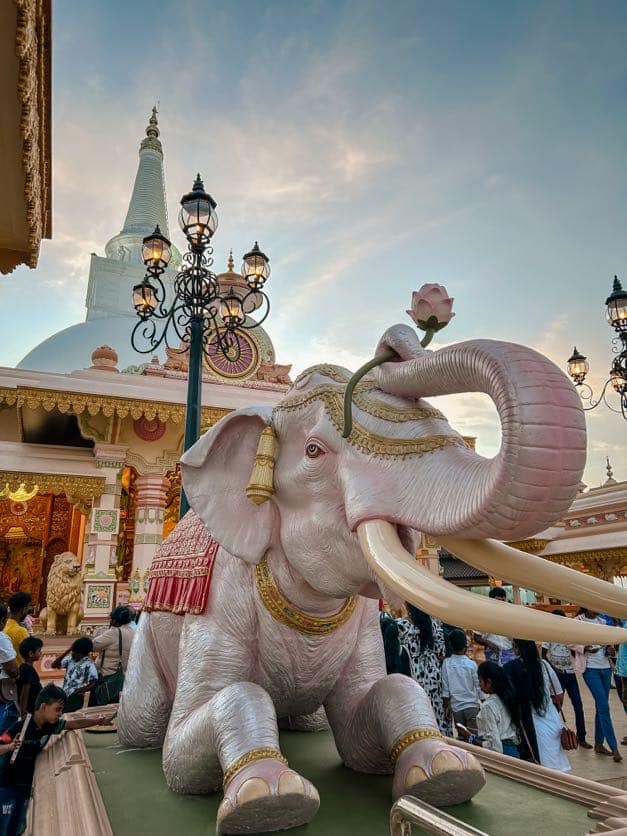

Kingdom ecolodge
Kingdom Ecolodge is more than just a place to stay—it’s an experience. It’s a return to Sri Lankan simplicity, with a generous touch of luxury. Dim’s Sinhalese farm sits 40 minutes from the nearest town, offering a true escape into nature.
You’ll spend two nights in one of the unique accommodations: a treehouse or a lakeside lodge. Each stay comes with all the comforts you need while immersing you completely in the natural surroundings. All meals are included, along with a cooking class where, after a farm tour, you’ll learn the secrets of preparing delicious Sri Lankan curries.
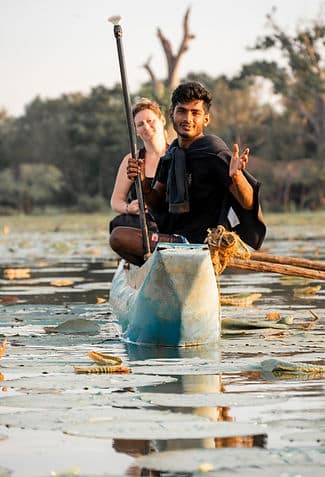
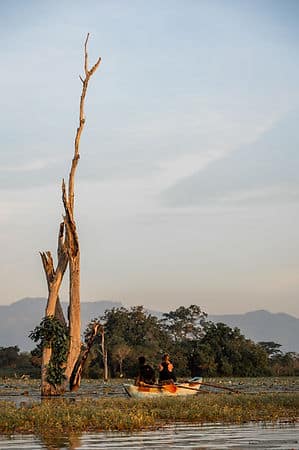
Adventure awaits, too—you’re invited on an elephant safari, with an almost guaranteed chance of encountering these majestic giants up close. But for me, the most unforgettable moment was kayaking on the lake at sunrise. The setting is breathtaking, and waking up in such peaceful surroundings feels truly special.
If you love photography, bring a camera with plenty of storage and a fully charged battery. The golden hour here creates picture-perfect memories you won’t want to miss.
-> you can book a stay by sending a Whatsapp message: +94 77 948 0480. Book early because this spot has very limited availability!


Yala National Park
Want to go on safari in Sri Lanka? Yala National Park is one of the top choices. But if you’ve been on African safaris before, keep in mind that this isn’t Africa—the wildlife here is much more limited.
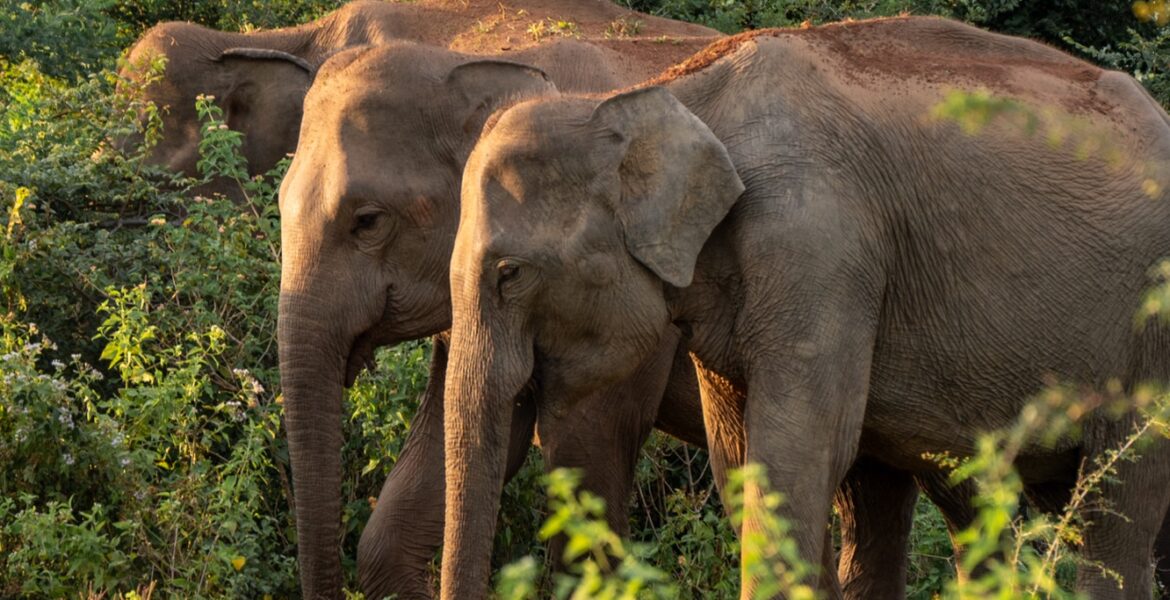
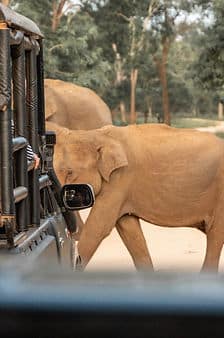
You’ll have a good chance of spotting elephants, though you’ve probably already seen them elsewhere in Sri Lanka. In Yala, they often gather in large herds and seem unbothered by the jeeps full of tourists. The park’s dusty trails also offer a chance to spot a leopard, though sightings aren’t guaranteed. But even if the wildlife stays hidden during your visit, Yala’s landscapes alone make the trip worthwhile—there’s no doubt about that!
One notable sight in the park is the dam featured on Sri Lanka’s 5,000-rupee banknote. A half-day safari is usually enough to get a good impression of the park. Most accommodations in Tissa offer all-inclusive safari packages, making it easier than organizing one yourself.
Hotel tip: tranquil wild

The South Coast of Sri Lanka: A Tropical Paradise
Dickwella
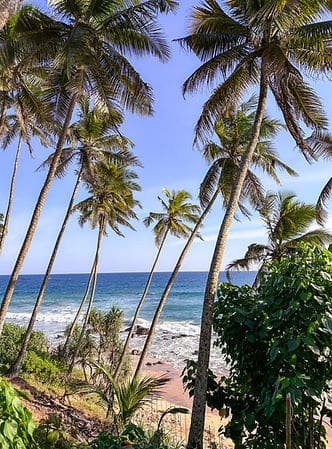
Sri Lanka’s south coast is a true paradise—endless sandy beaches, scattered rocky outcrops, towering palm trees, and, more often than not, stretches of untouched shoreline. That last part is becoming increasingly rare on this planet.
Dickwella itself isn’t a must-visit destination, but it serves as an excellent base for exploring this stunning coastal region. One highlight is Turtle Beach, where majestic green sea turtles glide past at a leisurely pace while you soak in the warm waters. For the perfect beachside drink, head to one of the idyllic bars, and when hunger strikes, The Good Kitchen is a great stop for a delicious meal.
Nearby, you can visit the Wewurukannala Monastery, a fascinating temple complex with rich history. Along the coast, Hummanaya Blow Hole is worth a quick visit—though for a truly spectacular sight, the ocean needs to be quite rough.
Hotel tip: Gaia Soul
Restaurant tip: The Good Kitchen


Mirissa
On the way from Yala National Park to Mirissa, there are several interesting stops worth making. Of course, there are the paradise-like beaches where you can enjoy the warm ocean water with a cocktail in hand. Some stops I found particularly worthwhile include the Parey Dewa Temple, which sits on a small island—an incredibly photogenic spot! A little further down the road, you’ll find the Dondra Lighthouse. You can climb the tower, but the surrounding area is also worth exploring, as this is the southernmost point of Sri Lanka. And, of course, there’s the famous Coconut Hill, well-known from countless social media photos. Personally, I didn’t find it overly crowded. A little spoiler: the photos often look better than the actual place. But that’s mainly because Sri Lanka has so many breathtaking locations that a spot like this doesn’t feel as special.


Another great activity on the south coast of Sri Lanka is a whale-watching tour. Depending on the season, your chances of spotting whales vary. From February to April, the chances are very high. I was there in February, but unfortunately, I didn’t see any whales. However, we did see lots of dolphins and turtles, which was still an amazing experience!
A refreshing dip in the Indian Ocean was the perfect way to end the tour. Didn’t see much during snorkeling though. But it was a fun day. We went with Sail Lanka, the trip started at sunrise, returning around 3 PM.


Galle
The colonial coastal town and fortress of Galle is an absolute gem. The old walled city is a UNESCO World Heritage Site, and rightfully so. Planning this town as the final stop of your three-week Sri Lanka itinerary has the advantage of allowing you to go all out on souvenir shopping, filling up any last empty spaces in your suitcase. The city is essentially a collection of charming shops and cozy restaurants. You can walk along the fort walls and visit the various bastions. There are also several museums where you can learn more about the colonial history of this fascinating place.
Colombo
The capital, Colombo, has a rich colonial past, though little of it remains visible today. Chaos dominates the city nowadays. I didn’t take the time to explore Colombo and only stayed one night on my way back. A tuktuk ride through the center was enough to get a sense of the hustle and bustle.
However, dining at the Galle Face Hotel was a highlight. This historic hotel sits somewhere between impressive colonial heritage and faded glory. The beachfront restaurant on the lower level serves excellent food. Fun fact: this was the only place on my entire trip where I truly felt like I was being eaten alive by mosquitoes!
Hotel tip: Sofia Colombo hotel
Restaurant tip: The King of Mambo – situated in the iconic Galle Face hotel
I spent my last night in Negombo before flying back to Belgium. I stayed in the Spicepeek Boutique Hotel. a lovely place with free airport transport!


Galle sounds amazing! Sending this to my sister, who would love it 🙂
What an amazing trip and itinerary for Sri Lanka! I love the blend of nature and history.
A wonderful read, an idyllic location with much to see and experience.
Thank you for sharing this inspiring guide—it’s a fantastic resource for anyone looking to experience the magic of Sri Lanka! Hoping I can visit one day myself!
We have not yet visited Sri Lanka but it has been on the list for a long time. Not sure we will ever get to visit for a full 3 weeks. But your itinerary would certainly provide such a fascinating set of experiences. Would be hard for us to pick just a few for a shorter visit.