 admin
adminEstimated reading time: 7 minutes
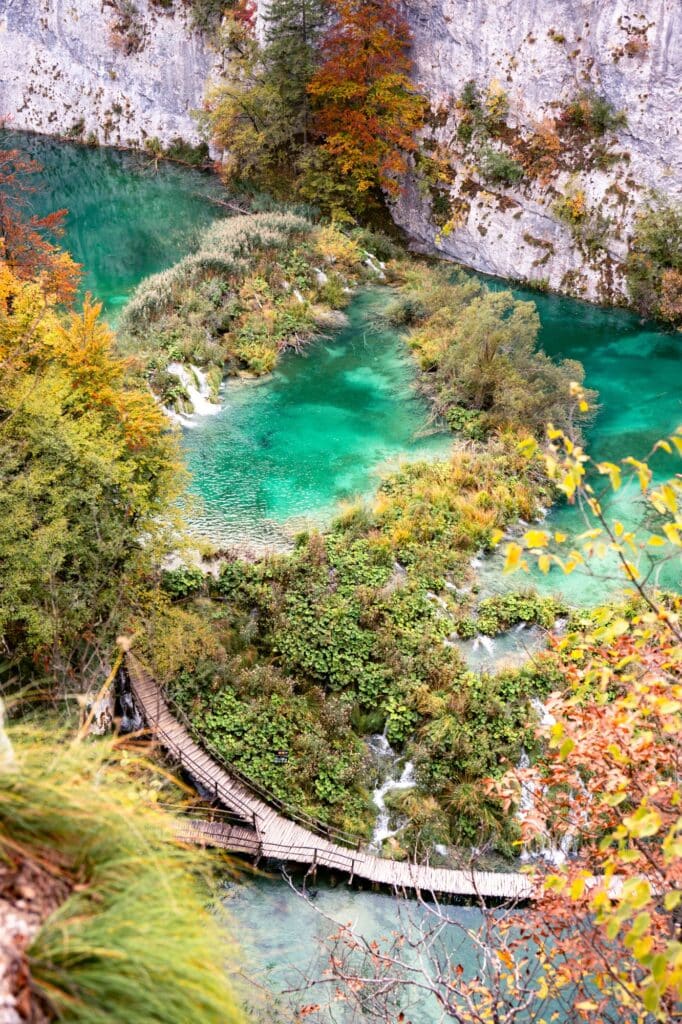
Plitvice is Croatia’s oldest and largest national park, a UNESCO World Heritage Site since 1979. This is one of those rare places that genuinely earns its reputation. Sixteen terraced lakes connected by waterfalls cascade over travertine barriers of natural limestone formations built up over thousands of years by minerals in the water. The result looks less like nature and more like something carefully designed.
In this article you will find out everything there is to know to prepare your visit to the absolute highlight of Croatia.
When is the best time to visit Plitvice Lakes National Park?
The park is open all year round. Opening hours vary by season and some areas may be closed in winter depending on weather conditions.
So the best time to visit Plitvice Lakes National Park actually depends on what kind of experience you’re looking for.
Spring (April to June) is often considered one of the best periods. The waterfalls are at their most powerful due to melting snow, and the park is lush and green, with fewer crowds than in peak summer.
Summer offers long days and warm weather, but it’s also the busiest time of year. In July and August, Plitvice receives upwards of 4,000 visitors a day. The wooden boardwalks that wind between the lakes become slow-moving queues. Every viewpoint has a line. The electric boats that ferry visitors across the larger lakes have hour-long waits.
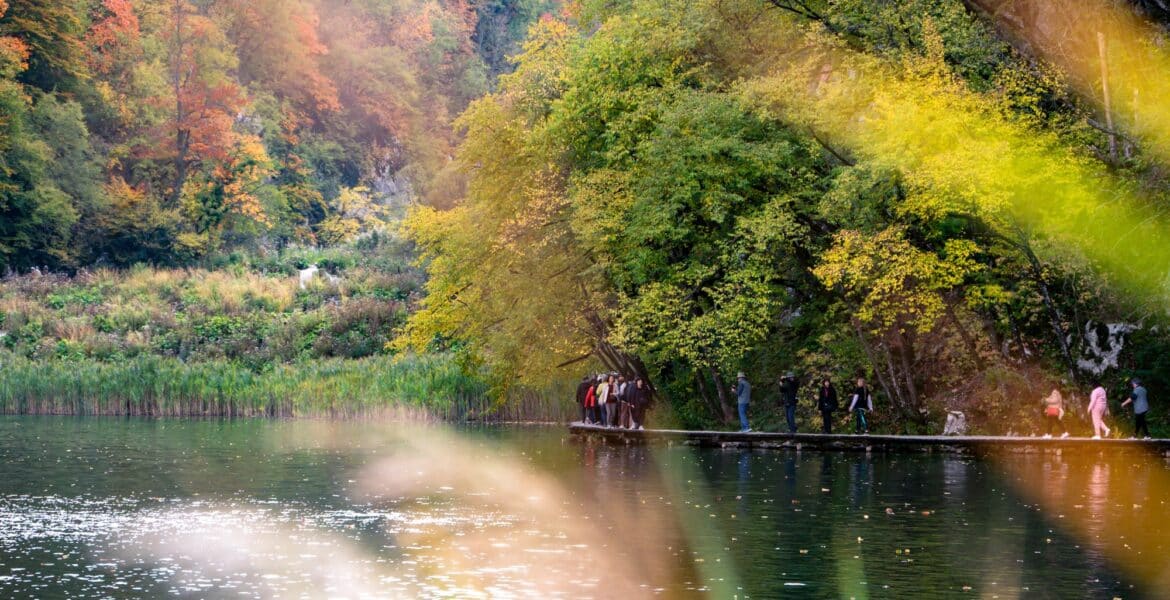
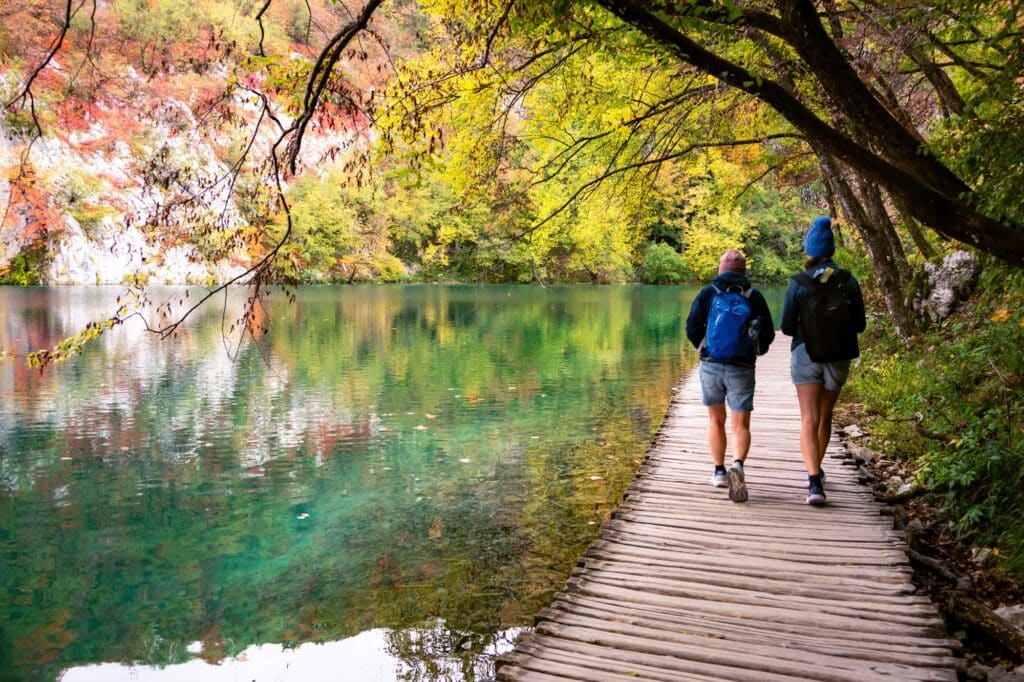
Autumn (September and October) is another fantastic time to visit. The changing colors of the leaves create a stunning backdrop, temperatures are pleasant, and the crowds start to thin out.
Winter (November to March) is the quietest period. Parts of the park may be closed, but if you’re lucky, you’ll see the lakes and waterfalls partially frozen, creating a magical, almost fairytale-like landscape.
Entrance to the Park
The park is very popular, and the number of tickets available each day is limited. It’s therefore recommended to purchase your tickets online in advance via the official website to secure your visit. Prices vary depending on the season.
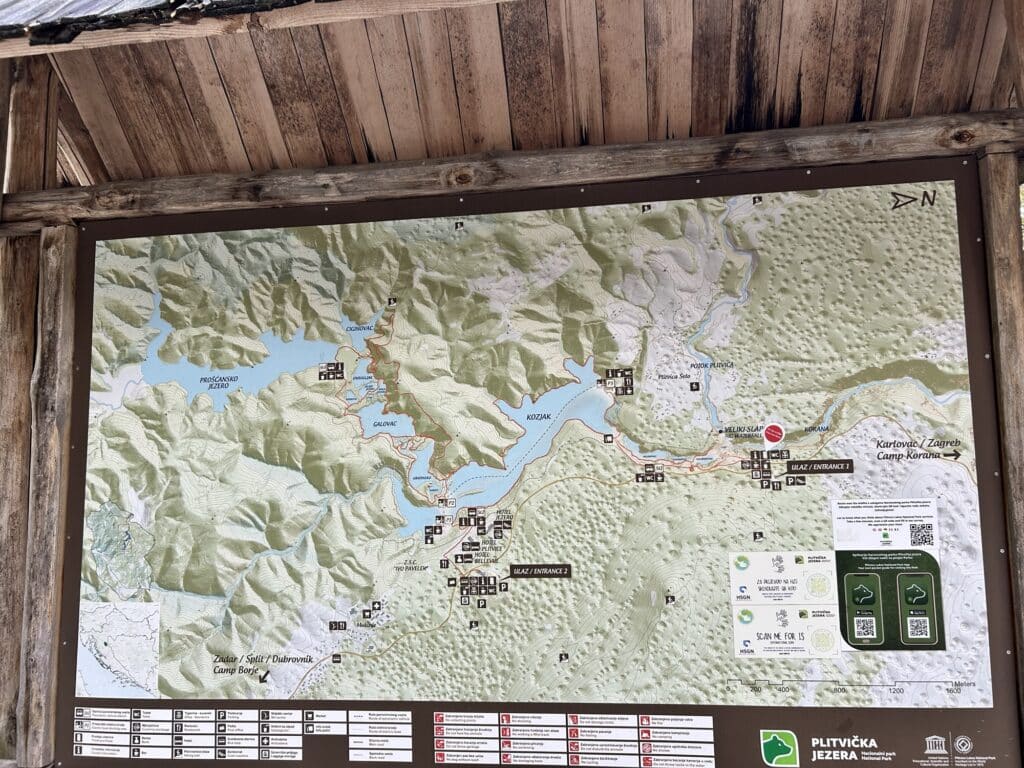
When booking, you’ll need to choose between the two entrances to the park. Entrance 1 is located close to the Veliki Slap waterfall, the park’s main highlight. If you’re not planning on doing a long hike, this is the best entrance to choose.
The walking trails from both entrances are connected, so if you’re planning to explore the park on foot, it doesn’t really matter which entrance you choose.
Plitvice Lakes National Park: hiking trails
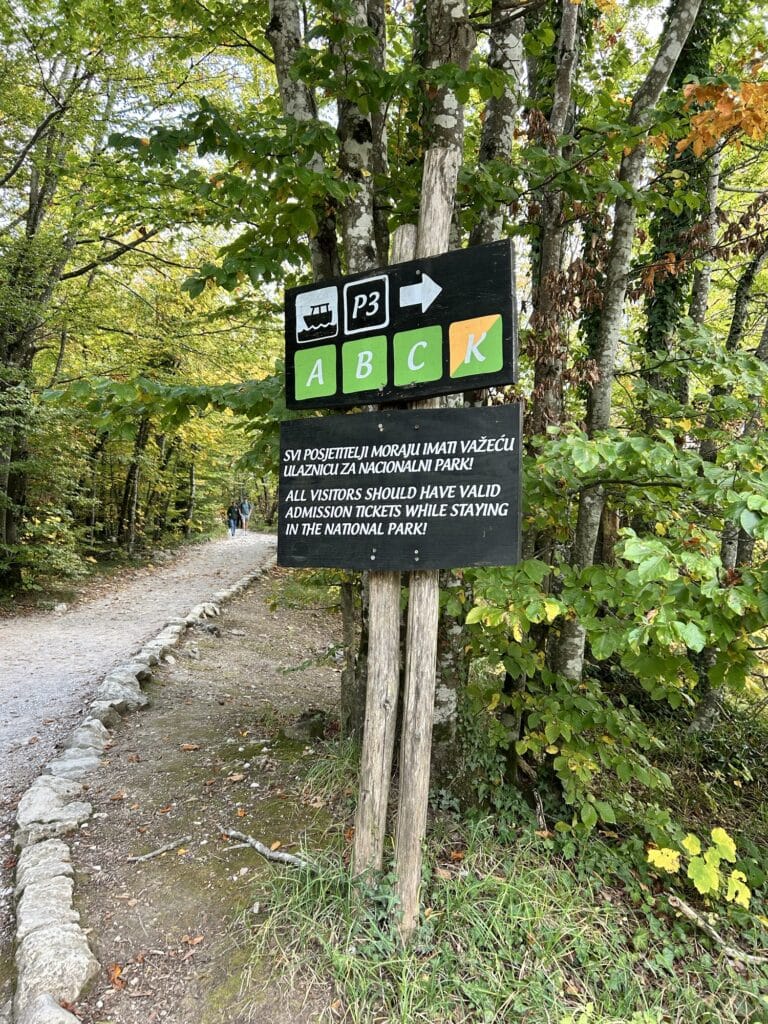
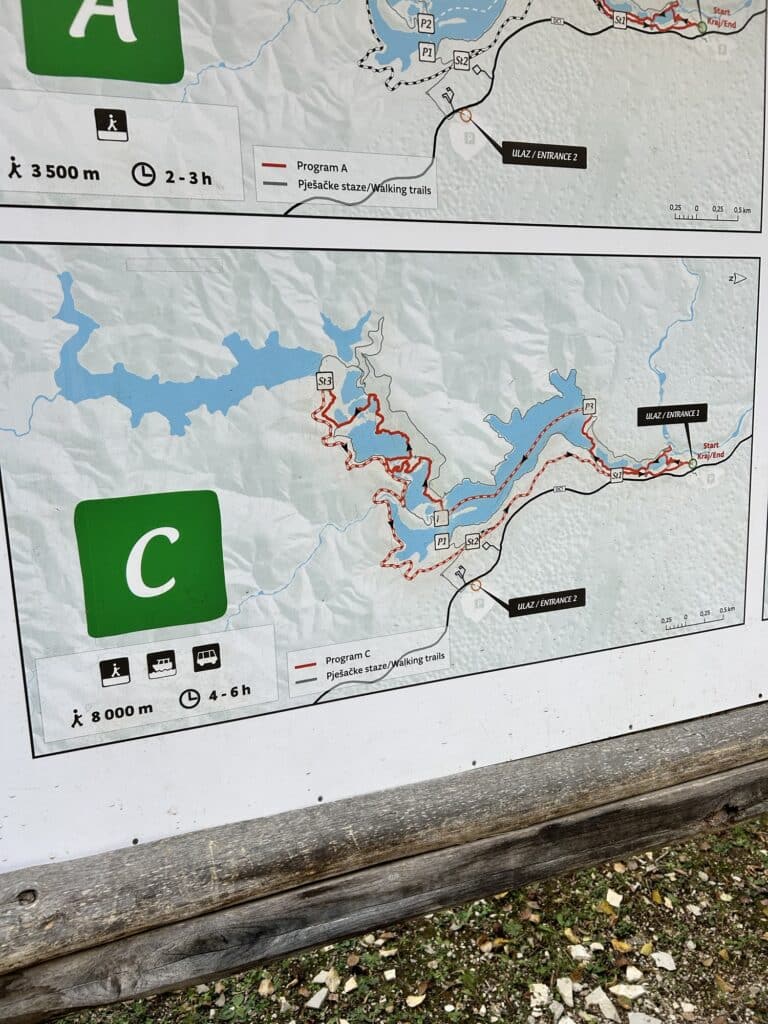
The park offers several marked routes (A through K) ranging from 2 to 6 hours. For a full-day shoulder-season visit, the combination of routes C or H, covering both the lower and upper lakes, is the most rewarding.
The park is large enough that you will be tired by the end of a full-day route. The terrain itself is not difficult, but the cumulative distance, typically 10–14km depending on route, adds up. Build in time to sit and do nothing. The whole point is the water.
Recommended full-day route (4–6 hours)
Start at Entrance 2, upper lakes
Most visitors start at Entrance 1. Starting at 2 means you walk the upper lakes while they’re quiet, then reach the lower lakes as the morning rush thins out.
Upper lakes (Gornja jezera)
Broader, shallower lakes surrounded by dense forest. Quieter, less visited, and beautiful in a more understated way than the lower section.
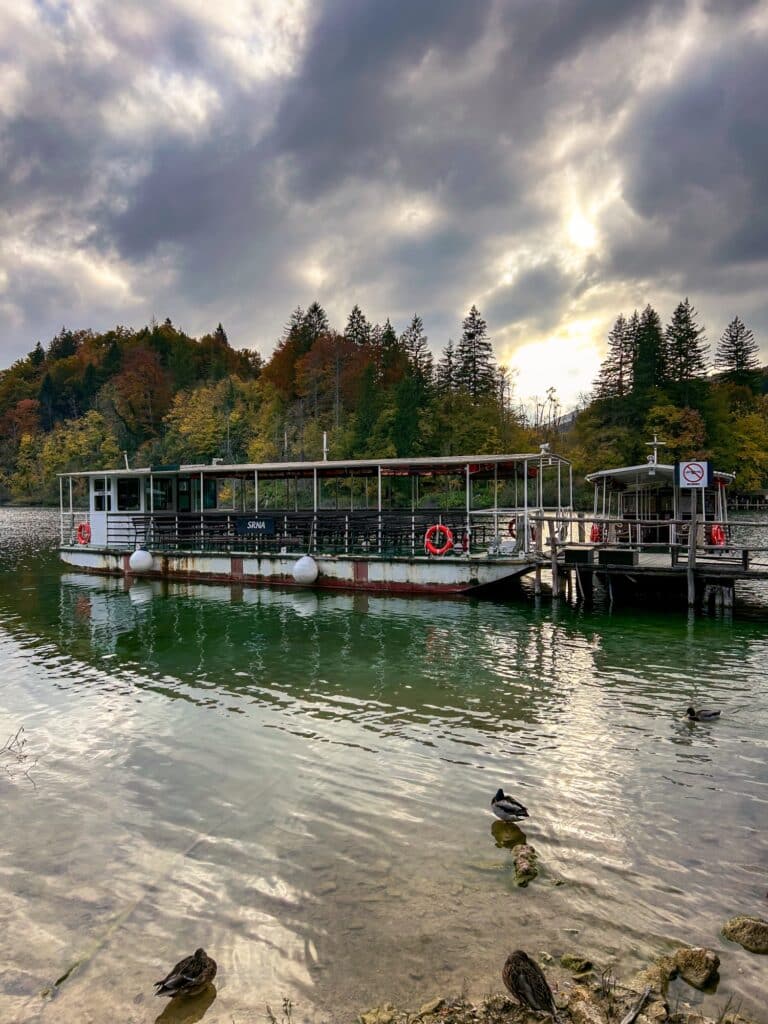
Take the electric boat across Kozjak
Lake Kozjak is the park’s largest lake. The boat crossing takes about 10 minutes and is a welcome rest mid-walk. In shoulder season, waits are short.
Lower lakes (Donja jezera)
This is the postcard section. The boardwalks run directly alongside and above the waterfalls. Veliki Slap, Croatia’s tallest waterfall at 78m, is here. Allow extra time; you will stop often.
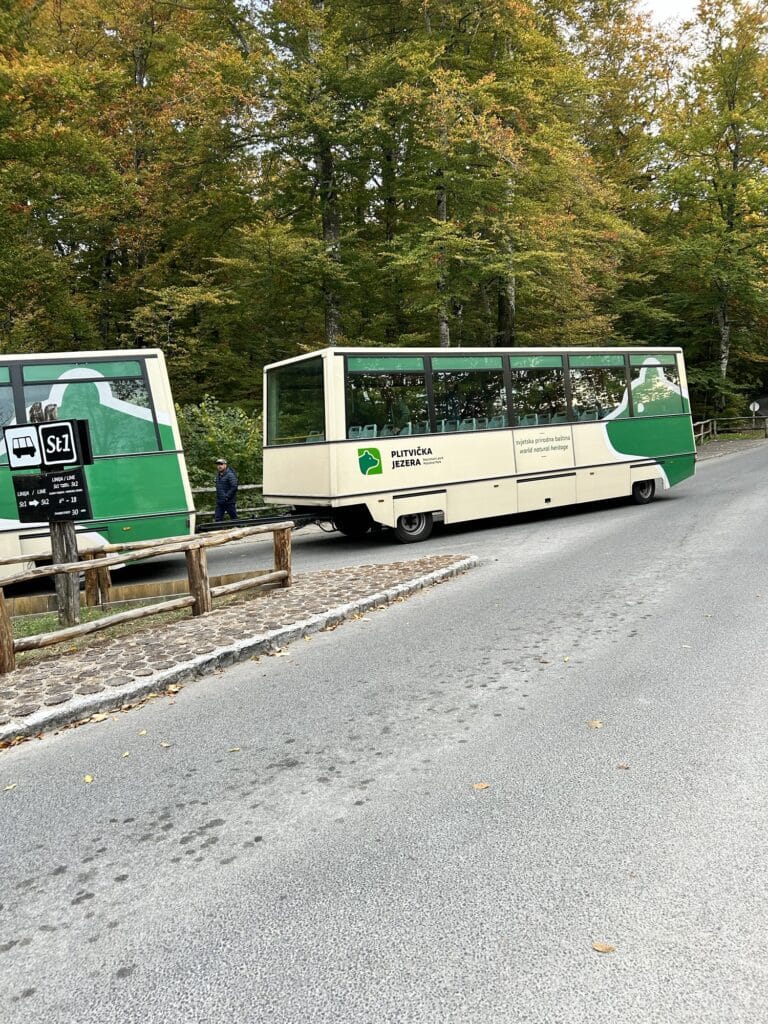
Panoramic train back to Entrance 2
The small tram runs between the two entrances and is included in your ticket. Take it back rather than retracing your steps, it passes through different terrain.
Interesting facts about Plitvice!
Swimming
Swimming has been banned in the park since the 1950s to protect the fragile travertine ecosystem. Despite this, you will see signs reminding visitors not to touch the barriers or step off the boardwalks. The chalk-white formations underfoot take centuries to form and can be damaged in seconds. It’s worth knowing before you visit.
Avoiding crowds
Crowd-avoiding tactics that actually work:
- Arrive at opening (7am). The first hour is genuinely quiet. Tour buses typically arrive between 9 and 10am.
- Start at Entrance 2. The majority of visitors start at Entrance 1 and walk toward the upper lakes. Going the other direction means walking against the grain of the crowd.
- Eat outside the park. The park café at peak lunch hour is chaotic. Bring your own food or drive to Mukinje village (5 minutes away) for a proper sit-down lunch.
- Stay nearby. If you’re staying in one of the park’s hotels or the surrounding villages, you can walk in at first light before the day visitors arrive. This is the single biggest advantage available to overnight guests. Some good spots: Vila Mukinja, Grand Lakes Rooms, Plitvice Holiday Resort
What to wear
The boardwalks are made of oak planks laid directly over the water. After rain they become genuinely slippery, trainers with grip are strongly recommended. Flip-flops and smooth-soled shoes are a bad idea.
Photography paradise
Photography is both unavoidable and slightly frustrating. The light on the lower lakes is best in the morning (east-facing viewpoints) and late afternoon. Midday light is flat and harsh. If you want photographs without strangers in them, the only reliable approach is speed. Move faster than the tour groups, or wait until they pass a viewpoint before positioning yourself.
This blog post contains affiliate links. If you book something through one of these links, it won’t cost you anything extra, but I may earn a small commission. This helps me keep the blog running — thank you for your support!

Read also these articles: